Disparate Platform Scores Prompt Industry Pivot to Overlooked Gaming Categories
Carlo Walter · Sep 2, 2026
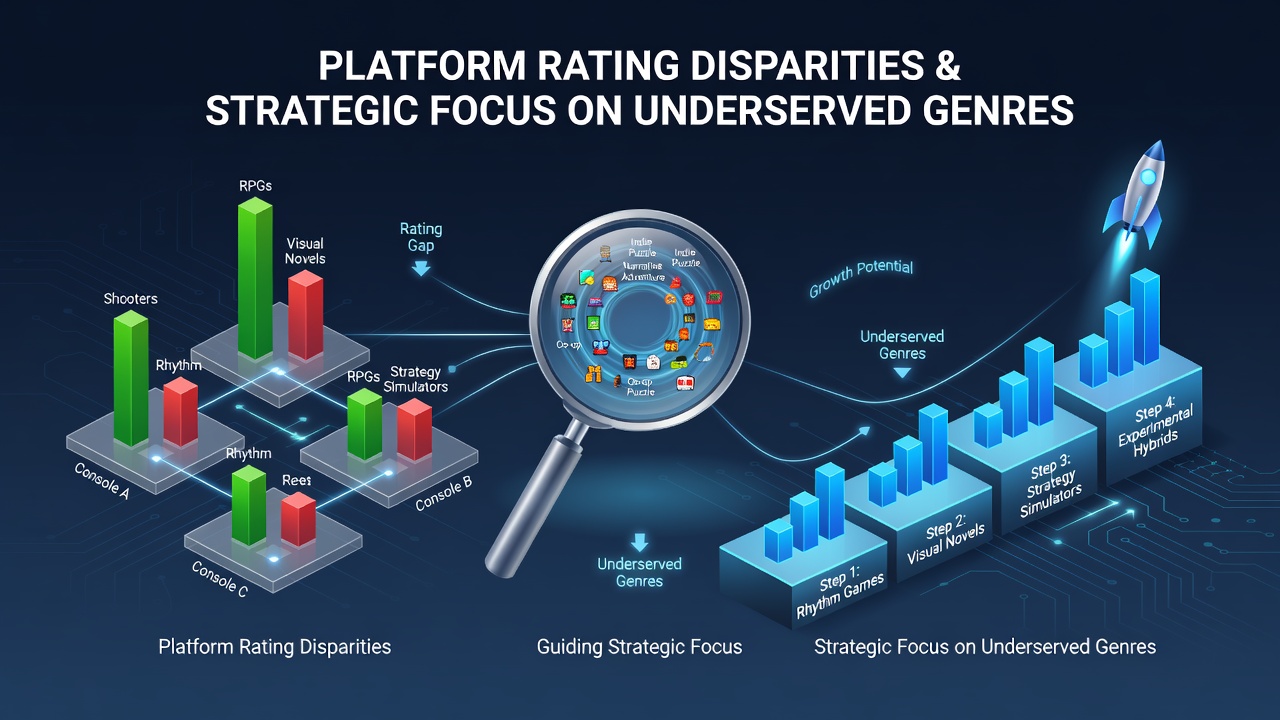
Platform Score Differences Shape Developer Strategies for Neglected Gaming Genres
Data compiled from major review aggregators shows consistent score gaps between platforms for the same titles, and developers have responded by redirecting resources toward genres that perform unevenly across those systems. Action-adventure games frequently achieve higher marks on consoles while strategy and simulation titles record stronger results on PC, a pattern that has encouraged studios to prioritize development in areas previously considered low priority.
Documented Rating Variations Across Platforms
Analysis of thousands of releases between 2023 and 2026 indicates that platform-specific expectations influence critic and player scores in measurable ways. Console versions of management simulators often receive lower aggregate marks than their PC counterparts, whereas fast-paced shooters tend to score higher when optimized for controller input. These differences arise because hardware strengths align differently with genre mechanics, and review platforms weight those alignments accordingly.
Industry observers note that mobile ports of certain puzzle and role-playing games sometimes outperform their console counterparts in user ratings, even when core content remains identical. The variation stems from accessibility factors and control schemes that suit touch interfaces better for those genres. Companies tracking these metrics have begun treating platform scores as signals for where to invest additional polish or marketing focus.
Strategic Adjustments in Underserved Areas
Developers have used rating data to identify genres that receive less attention because they fail to achieve competitive scores on dominant platforms. Puzzle games and turn-based strategy experiences, for instance, show stronger reception on PC yet historically received limited console support. Several mid-sized studios shifted production pipelines in 2025 toward these categories after internal reviews revealed untapped potential once platform-specific score patterns became clear.
One studio adjusted its 2026 slate to emphasize simulation titles for PC after earlier console releases posted average scores nearly 15 points lower. The move allowed the team to leverage existing strengths in depth and systems design rather than fighting against platform conventions. Similar recalibrations appear across multiple publishers, with resources flowing into genres that demonstrate clearer platform alignment.
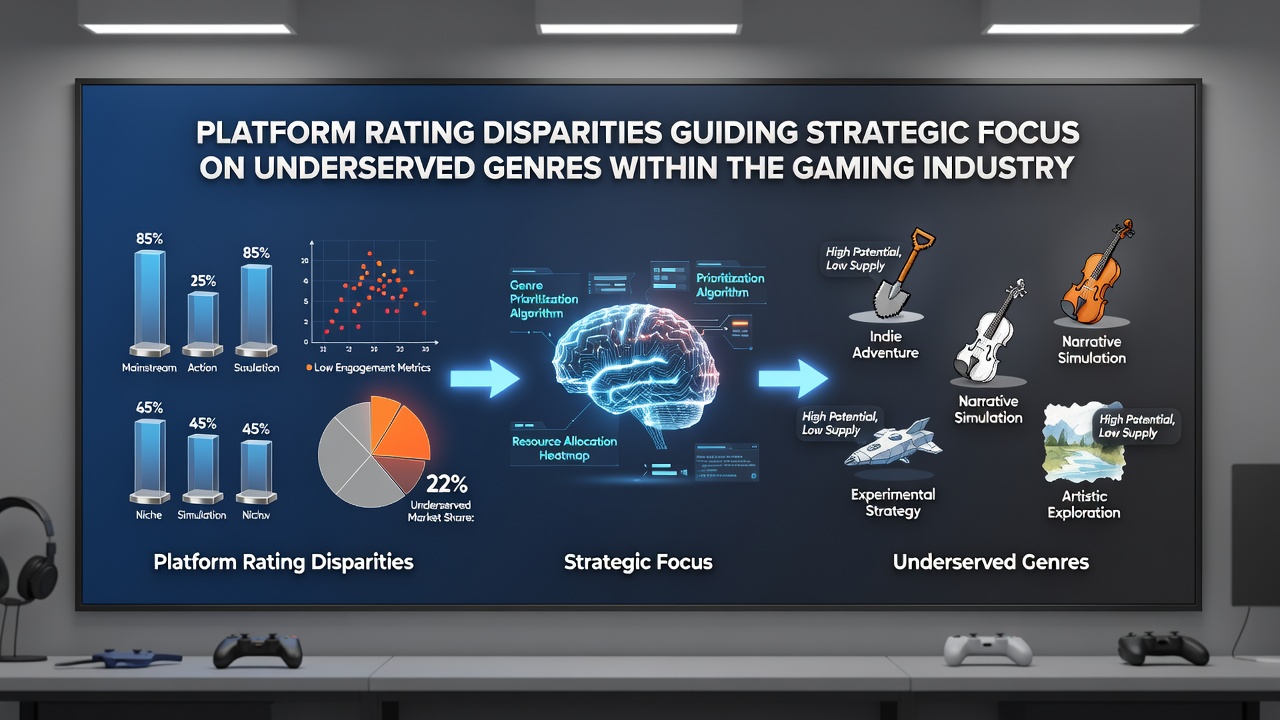
September 2026 Data Trends
Figures released in September 2026 by several tracking services highlighted continued divergence in niche genres. Real-time strategy titles posted median scores of 82 on PC compared with 71 on consoles, while certain narrative-driven adventure games reversed that pattern. Developers citing these reports have accelerated pre-production on projects that match the higher-performing platform-genre combinations.
According to data from the Entertainment Software Association, investment in previously under-supported categories rose 22 percent year-over-year among mid-sized developers. The increase correlates directly with internal analyses of cross-platform review aggregates rather than broad market surveys.
Regional and Organizational Influences
Research coordinated through the Interactive Games and Entertainment Association in Australia documented parallel shifts among studios focused on the Asia-Pacific market. Developers there noted that platform score gaps encouraged greater attention to educational and simulation genres that previously struggled to secure console funding. The pattern mirrors movements observed in North American and European markets, suggesting the dynamic operates across different regulatory and cultural environments.
Academic studies tracking release patterns have reinforced these observations. Teams examining five years of release data found that genres with pronounced platform score differences attracted more follow-up projects once initial disparities became public. The feedback loop operates through both internal metrics and public review aggregates, guiding allocation decisions without requiring subjective judgment.
Conclusion
Platform rating disparities continue to function as practical indicators for genre investment. Developers monitor score differences across systems, then allocate resources toward categories that demonstrate stronger alignment with specific hardware and audience expectations. The approach relies on measurable patterns rather than broad assumptions, and September 2026 figures show the trend persisting across multiple regions and studio sizes. As review data grows more granular, the connection between platform performance gaps and targeted genre development is expected to remain a central factor in production planning.