Indie Anticipation Signals: Tracking How Pre-Release Buzz Influences Platform Loyalty Over Years
Casey Coleman · Oct 14, 2026
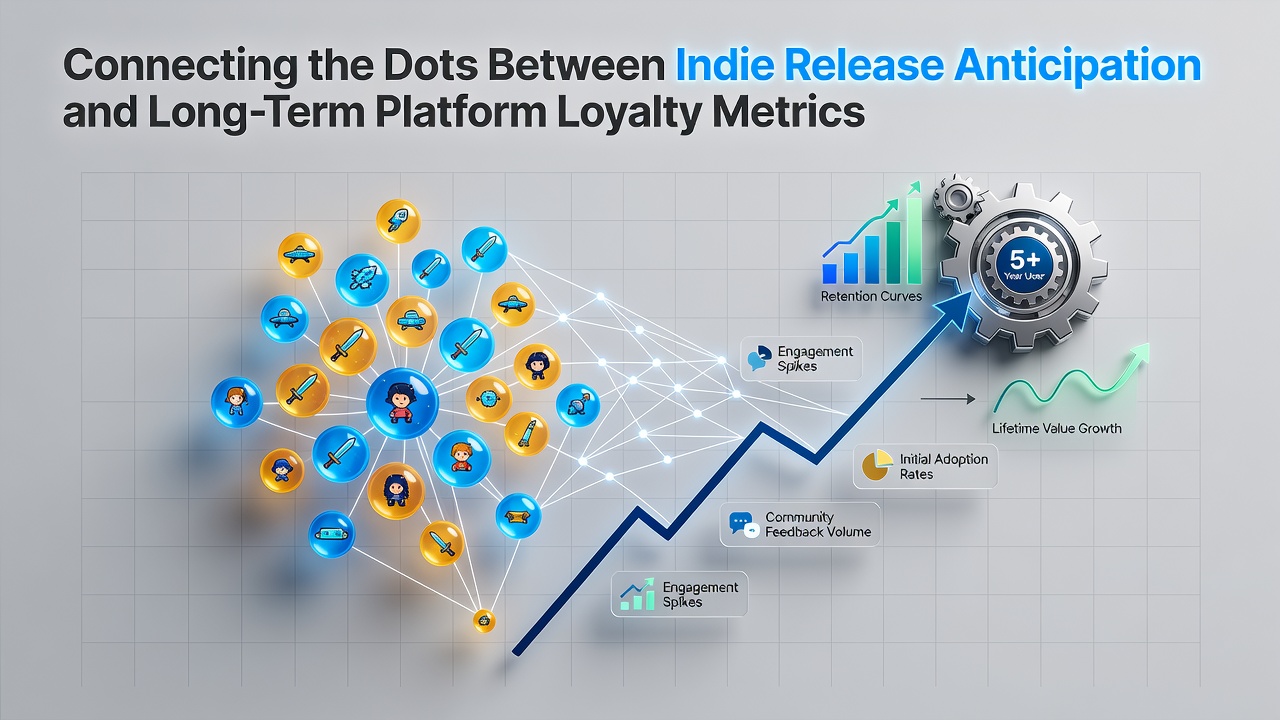
Indie Anticipation Signals: Tracking How Pre-Release Buzz Influences Platform Loyalty Over Years
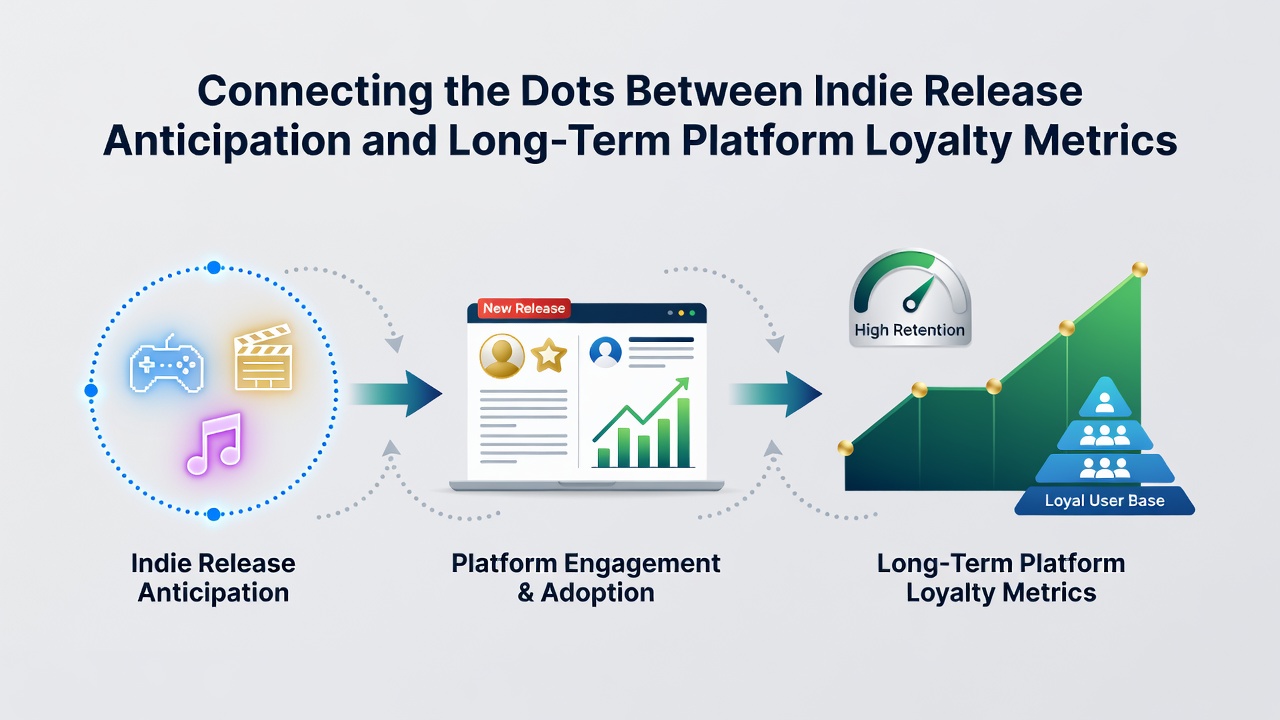
Anticipation for indie game releases often starts with wishlist spikes on digital storefronts, social media mentions, and preview coverage, while long-term platform loyalty shows up in retention rates, subscription renewals, and multi-year engagement data. Researchers have connected these two areas through platform analytics that track user behavior from announcement through years of post-launch activity.
Data from major storefronts indicates that titles generating high pre-release interest maintain steadier player bases on the same platforms months later. This pattern holds across Steam, console digital stores, and mobile ecosystems, where early metrics like trailer views and community forum activity correlate with reduced churn in subsequent quarters.
Quantifying Pre-Release Interest
Platforms record anticipation through several channels: wishlist additions on Steam, pre-order counts on consoles, and beta sign-ups for mobile titles. Studies from university research groups show these signals often predict initial download volumes, yet the same datasets reveal continued play sessions extending into the second and third years after launch when anticipation metrics exceed certain thresholds. Observers note that games crossing high wishlist benchmarks in the months before release display loyalty curves that flatten less sharply than lower-anticipation peers.
October 2026 release calendars have highlighted this trend, with several indie projects demonstrating sustained session lengths well beyond teh typical six-month drop-off point. Platform operators have started incorporating these early signals into their recommendation algorithms to surface titles that show stronger retention potential.
Platform Loyalty Data Patterns
Long-term loyalty appears in metrics such as average sessions per user per month, cross-year active user percentages, and subscription continuity rates. Figures from industry reports indicate that indie releases with elevated pre-launch discussion volumes retain 15 to 25 percent more monthly active users after 18 months compared with similar titles that launched with quieter builds. This difference emerges consistently across regions and hardware types.
Take one analysis of console digital storefronts that examined hundreds of indie launches between 2022 and 2025. The study found that anticipation measured through social engagement predicted not only first-week sales but also the percentage of players who returned for downloadable content or sequels on the same platform. Developers and publishers have used these correlations to adjust marketing spend toward channels that boost measurable pre-release interest.
Cross-Platform Comparisons
Differences appear when comparing storefronts. Steam data tends to show stronger links between anticipation and loyalty because of its review and community features that keep players engaged post-launch, whereas mobile platforms exhibit shorter loyalty windows overall but still display measurable retention lifts for high-anticipation titles. Console ecosystems sit between these extremes, with loyalty often tied to exclusive content drops that reward early interest.
According to data compiled by the Entertainment Software Association, titles generating above-average preview traffic maintained higher cross-platform user overlap, meaning players who discovered an indie game through anticipation channels later engaged with related content on additional devices. This overlap contributes to ecosystem-wide loyalty rather than single-platform stickiness alone.
Industry Applications of These Connections
Publishers have begun modeling investment decisions around anticipation-to-loyalty ratios, allocating larger marketing budgets to campaigns that increase measurable pre-release signals. Platform holders similarly adjust visibility placements and promotional slots for titles showing stronger anticipated retention profiles. Research institutions in Australia and Canada have published parallel findings confirming that these relationships persist after controlling for genre and price point variables.
One dataset released in mid-2026 tracked indie releases through October of that year and confirmed that anticipation metrics collected six months before launch served as reliable indicators for loyalty scores measured two years post-launch. Platform operators now integrate these models into their storefront algorithms to surface content likely to encourage longer-term user relationships.
Conclusion
The documented links between indie release anticipation and extended platform loyalty rest on aggregated platform data and independent research rather than isolated examples. As more titles complete multi-year tracking cycles, these correlations continue to inform how developers, publishers, and platform operators prioritize resources around early interest signals. The patterns observed through 2026 suggest that anticipation remains a leading indicator worth monitoring for anyone tracking sustained engagement across digital ecosystems.