Multi-Platform Input Patterns Guiding Resource Focus in Subscription Game Catalogs
Carlo Walter · Oct 28, 2026
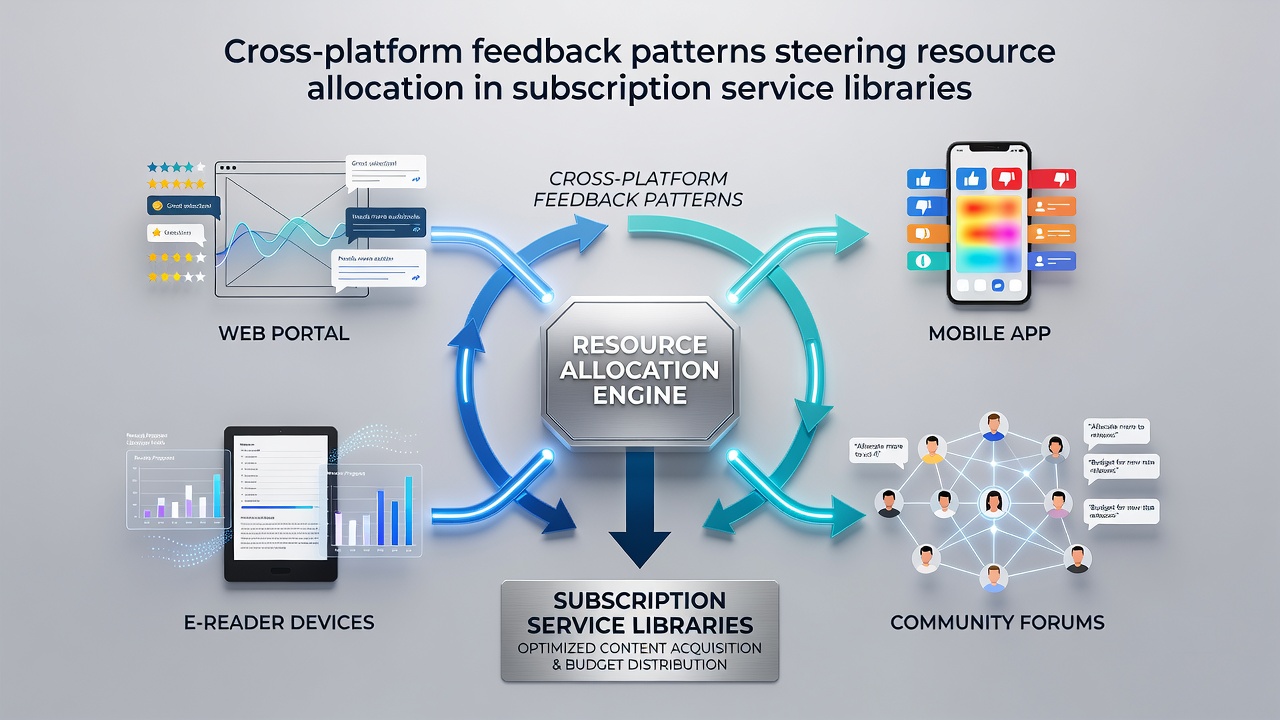
Multi-Platform Input Patterns Guiding Resource Focus in Subscription Game Catalogs
Subscription services maintain extensive game libraries that span consoles, PCs, and mobile devices, where user feedback collected from each platform creates distinct data streams that influence how development teams allocate time and budget. Observers note that companies track review scores, playtime metrics, and direct comments separately by device type before aggregating them into broader allocation decisions. Data from October 2026 shows these patterns have become more structured as services expand their catalogs to include titles optimized for multiple hardware configurations.
Data Collection Across Devices
Services gather input through in-app surveys, post-session ratings, and platform-specific review systems, while cross-referencing those signals with usage statistics such as session length and completion rates. Researchers have documented that feedback originating from mobile users often emphasizes accessibility features and shorter play sessions, whereas console and PC users tend to highlight performance stability and graphical fidelity. These differences emerge consistently in reports compiled by industry groups like the Entertainment Software Association, which track how subscription libraries respond to segmented input.
One analysis released in early 2026 examined three major subscription platforms and found that titles receiving lower mobile scores prompted targeted updates focused on touch controls and battery optimization, even when the same games maintained higher ratings on other devices. The same study indicated that console feedback more frequently drove patches addressing frame rate issues and controller mapping. Companies integrate these platform-specific trends into quarterly planning cycles that determine which genres or features receive priority funding.
Observed Patterns in Feedback Aggregation
Aggregation processes combine raw scores with qualitative comments to identify recurring themes that cross device boundaries. Teams sort feedback into categories such as performance, content depth, and monetization elements before assigning weighted values based on platform user volume. Figures from a University of Melbourne research paper on digital entertainment markets reveal that services adjust resource distribution when mobile feedback volumes exceed those from console users by more than 30 percent, shifting emphasis toward mobile-first improvements.
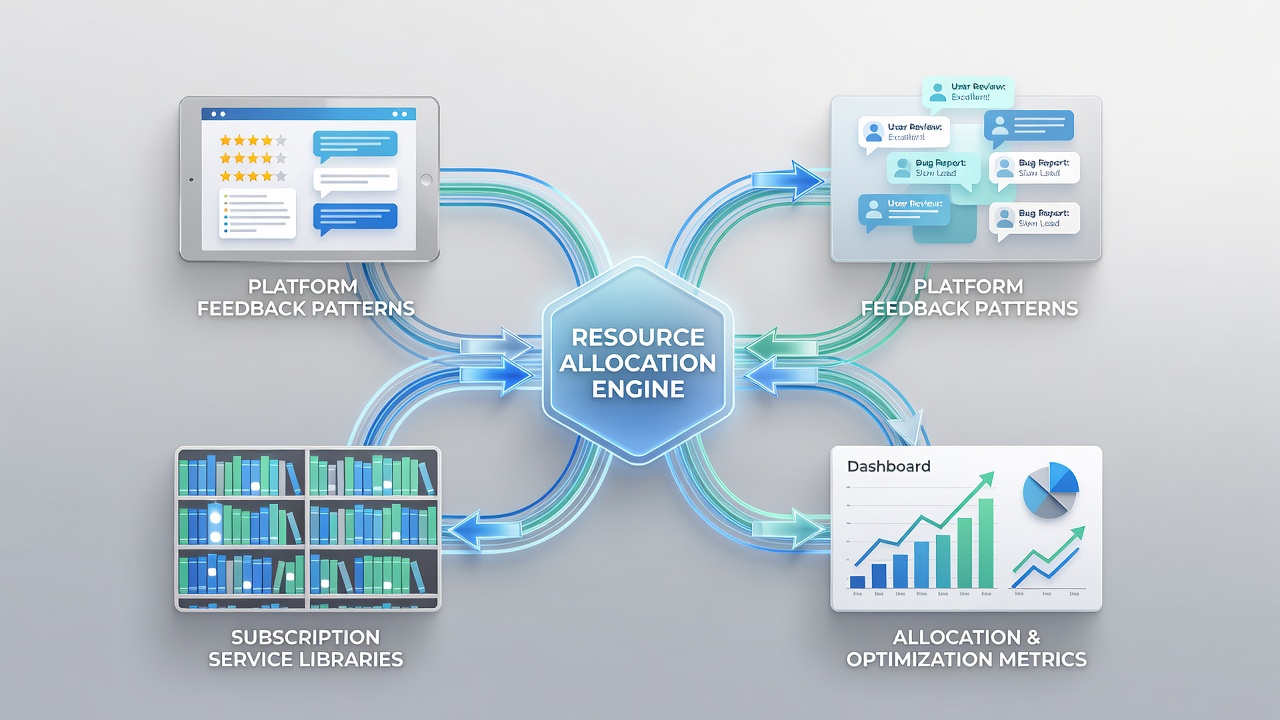
Patterns also surface around genre preferences. Puzzle and casual titles often receive stronger mobile engagement signals that steer additional level design resources toward those experiences, while action and simulation games draw more attention from console data that influences multiplayer server investments. A report issued by the European Digital Games Research Network documented similar trends in European markets during the second half of 2026, where subscription providers reallocated marketing budgets after noticing regional score variations between handheld and home console users.
Impact on Development Priorities
Resource allocation decisions manifest in concrete changes such as expanded QA testing for certain platforms or accelerated porting efforts when feedback divergence becomes pronounced. Development studios working with subscription services receive briefs that explicitly reference platform-weighted data, guiding them to prioritize fixes that address the largest combined user bases. According to data compiled by the Canadian Interactive Digital Entertainment Council, this approach has led to measurable increases in update frequency for titles showing consistent cross-platform complaints about load times.
Additional examples appear in how services handle content updates. When aggregated feedback highlights gaps in narrative delivery on mobile devices, teams often expand voice acting resources or subtitle options first for that platform before rolling out similar changes elsewhere. Conversely, performance optimization passes typically begin with console data because hardware variations there produce more complex stability issues that require longer development cycles. These sequenced responses reflect the weighted influence each platform exerts within the overall library management process.
Regional and Temporal Variations
Geographic differences further complicate allocation strategies. Australian market data from the same period indicated that feedback from regional mobile users prompted earlier investments in localization for certain subscription titles compared with European or North American patterns. Temporal shifts also occur, as services review accumulated data at the end of fiscal quarters to rebalance priorities before new titles enter the catalog. Observers have tracked how October 2026 updates aligned with these cycles, resulting in concentrated efforts on genres that accumulated divergent scores across devices during the preceding months.
Conclusion
Cross-platform feedback continues to serve as a primary mechanism for determining where subscription services direct their development and support resources. The structured collection and aggregation of device-specific input allows providers to respond to usage trends and satisfaction metrics in measurable ways. As libraries grow and user bases diversify, the patterns emerging from these multi-source data streams shape which features receive attention and which platforms see the earliest improvements.