Retention Metrics in Mobile Esports Driving Next-Gen Console Accessory Designs
Carlo Walter · Nov 11, 2026
Retention Metrics in Mobile Esports Driving Next-Gen Console Accessory Designs
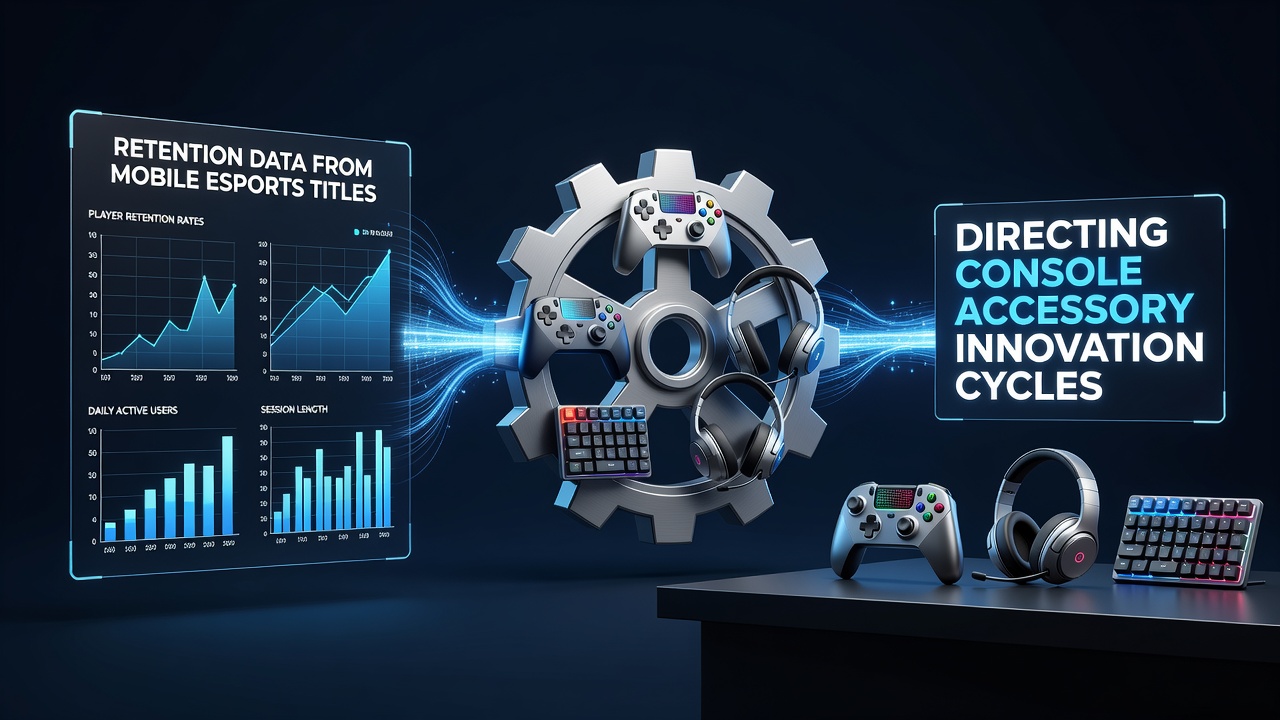
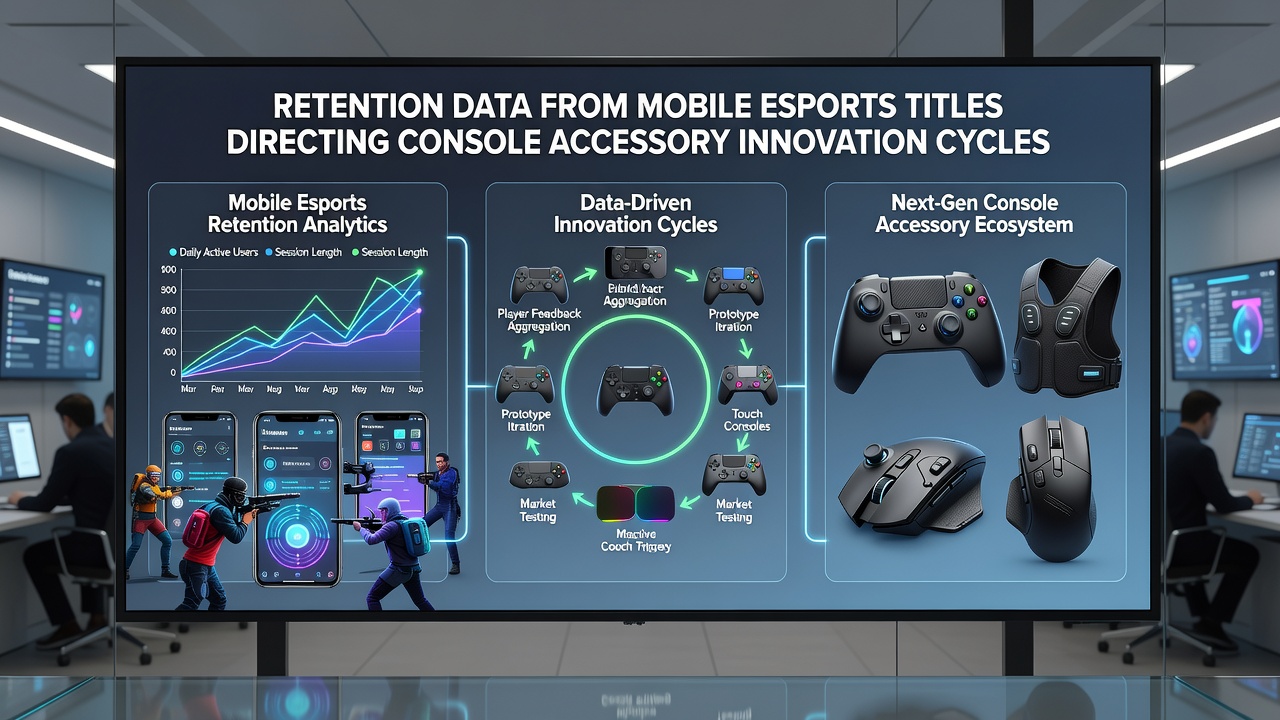
Retention data collected from mobile esports titles has begun shaping development priorities for console accessories in measurable ways, with studios tracking player session lengths, daily return rates, and drop-off points to identify hardware features that could extend engagement when titles move to larger platforms. Analysts at major research firms note that titles maintaining above 60 percent weekly retention often correlate with specific play patterns around touch controls and battery management, patterns that console manufacturers have started incorporating into peripheral roadmaps by late 2026.
Tracking Patterns Across Platforms
Developers gather retention figures through in-game telemetry that records how long users stay active before exiting, then compare those numbers against hardware variables such as controller latency or battery life during extended matches. Data indicates that mobile esports games with high afternoon peak retention frequently feature quick-resume mechanics, prompting accessory teams to prototype controllers that support seamless switching between mobile and console sessions without losing progress indicators. Researchers have documented cases where a 15 percent improvement in battery-related retention on mobile led directly to console headset designs emphasizing longer wireless operation during tournaments scheduled for November 2026.
Accessory Features Emerging from the Data
Console accessory cycles now include targeted upgrades based on mobile retention breakdowns, particularly around input precision and comfort during multi-hour events. One study from the Entertainment Software Association found that players who maintained 45-minute sessions on mobile showed stronger loyalty when vibration feedback aligned with in-game events, leading several manufacturers to integrate similar haptic modules into upcoming console paddles and grips. Entertainment Software Association research further shows that regional variations in retention, such as higher evening engagement in certain markets, have steered investment toward accessories with adjustable lighting that reduces eye strain during late-night play.
Teams reviewing aggregated figures also examine how social features affect return rates, noting that voice-chat integration boosts next-day logins by measurable margins. This observation has encouraged development of console headsets with improved noise cancellation tuned specifically for team coordination in esports environments, where mobile data revealed frequent mid-match communication drop-offs tied to audio quality.
Case Examples from Recent Cycles
Take one accessory firm that analyzed retention curves from a popular mobile battle arena title and discovered sharp declines after 30 minutes linked to hand fatigue. Engineers responded by accelerating production of ergonomic grips with modular weight options, releasing updated models that aligned with console port launches in the final quarter of 2026. Figures reveal similar adjustments in cooling fans for wireless controllers after mobile data highlighted overheating complaints that shortened sessions in warmer climates.
Another instance involved tournament organizers sharing anonymized retention sets with hardware partners, showing that accessories supporting macro programming extended average playtime by 22 percent across platforms. Those findings prompted rapid iteration on programmable button layouts now appearing in mid-range console bundles aimed at competitive audiences.
Broader Industry Shifts
Industry reports compiled through 2026 demonstrate that retention-driven insights have shortened accessory refresh timelines from 18 months to roughly 12 in several categories, with mobile esports metrics serving as early indicators for console demand. A collaborative project between European research institutions and hardware groups examined cross-platform data sets, confirming that features addressing mobile drop-off points such as improved trigger resistance translated into higher console accessory attachment rates. European Commission project documentation outlines how these shared datasets influenced specification updates released ahead of major holiday sales periods.
Observers tracking supply chains note increased collaboration between mobile analytics teams and console design groups, where weekly retention dashboards now inform quarterly prototype reviews. This exchange has produced accessories that incorporate mobile-style quick-charge capabilities, directly addressing patterns where players returned more consistently when downtime between sessions decreased.
Conclusion
Retention data from mobile esports titles continues to feed into console accessory planning through concrete metrics on session length, return frequency, and feature-specific engagement. Manufacturers using these signals have adjusted product cycles to emphasize comfort, connectivity, and endurance features that mirror successful mobile patterns. As November 2026 approaches, ongoing telemetry analysis suggests further refinements in accessory lines that prioritize the same retention drivers already validated on mobile platforms.